Mini ZVS Induction Heating Module 120W 5–12V DC with Coil
Original price was: 300.00 EGP.270.00 EGPCurrent price is: 270.00 EGP.
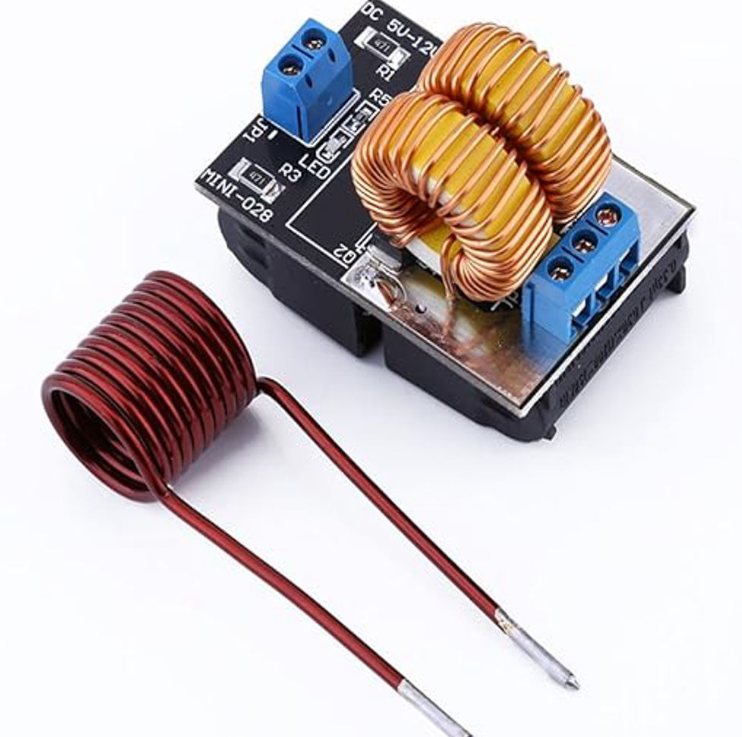
The Mini ZVS Induction Heating Module 120W is a compact high-frequency heating board designed for heating small conductive metal parts without a direct flame. It operates from 5V to 12V DC and includes a detachable copper heating coil. Ideal for electronics experiments, DIY heating tools, educational demonstrations, and small metalworking applications.
Mini ZVS Induction Heating Module 120W
The Mini ZVS Induction Heating Module 120W is a compact solution for heating small conductive metal objects using electromagnetic induction. Instead of using a flame or a conventional resistive heater, the module generates a high-frequency alternating magnetic field through the supplied copper coil. This field produces electrical currents inside the metal object, causing it to heat rapidly.
The board operates from a 5V to 12V DC power source. However, the maximum rated power of approximately 120W is achieved only when operating near 12V with a suitable high-current power supply. Therefore, a regulated 12V supply capable of delivering approximately 10A or more is recommended for high-power operation.
ZVS Induction Heating Technology
ZVS stands for Zero Voltage Switching. This switching method helps reduce power loss and switching stress on the MOSFETs compared with conventional hard-switching circuits. As a result, the module offers efficient high-frequency operation in a small and practical design.
The actual current consumption depends on the input voltage, the metal being heated, its size, its position inside the coil, and the operating time. Consequently, the module may draw significantly less than 120W during light use.
Key Features
- ZVS high-frequency induction heating circuit
- Input voltage range from 5V to 12V DC
- Maximum rated power of approximately 120W at 12V
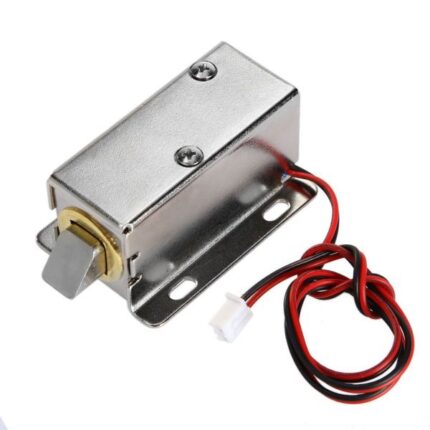
- Supplied with a detachable copper heating coil
- Fast, flame-free heating of small conductive metal parts
- Compact module suitable for experimental projects
- Easy two-wire DC power connection
- Suitable for DIY, laboratory, and educational applications
- Can also be used as a ZVS driver for compatible experimental loads
Technical Specifications
| Specification | Value |
|---|---|
| Module Type | ZVS induction heating driver |
| Input Voltage | 5–12V DC |
| Maximum Rated Power | 120W at 12V |
| Approximate Maximum Current | 10A at 12V |
| Recommended Power Supply | Regulated 12V DC, 10A or higher |
| Switching Method | Zero Voltage Switching |
| Heating Method | Electromagnetic induction |
| Module Dimensions | Approximately 55 × 40 × 20mm |
| Coil Length | Approximately 75mm |
| Coil Outer Width | Approximately 28mm |
| Cooling | Natural airflow or additional fan recommended |
| Included Accessories | Copper induction heating coil |
Connection Guide
Connect the positive output of the DC power supply to the positive input terminal of the module. Then, connect the negative output to the negative input terminal. The supplied copper heating coil connects to the two output terminals on the board.
Always verify the polarity before applying power. Reversing the supply polarity can permanently damage the MOSFETs and other components.
Common Applications
The Mini ZVS Induction Heating Module 120W can be used for heating small screws, rods, nuts, wires, and other conductive metal components. In addition, it is suitable for electronics demonstrations, induction-heating experiments, small heat-treatment tests, and DIY workshop projects.
Performance varies according to the material. Ferromagnetic metals such as iron and steel generally heat more effectively than some non-ferrous metals when using a small module of this power level.
Operating and Safety Notes
Use only a DC power supply within the specified voltage range. Never connect the module directly to 220V AC. Furthermore, do not exceed 12V unless the exact board version has been verified for a higher voltage.
The workpiece can become extremely hot within a short time. Therefore, use heat-resistant tools and keep hands, wires, batteries, and flammable materials away from the coil. Do not touch the coil or metal object during or immediately after operation.
For longer operating periods, provide forced-air cooling for the MOSFETs and board. It is also advisable to operate the module in short cycles and allow it to cool between tests. Finally, never power the board without the correct resonant coil securely connected.